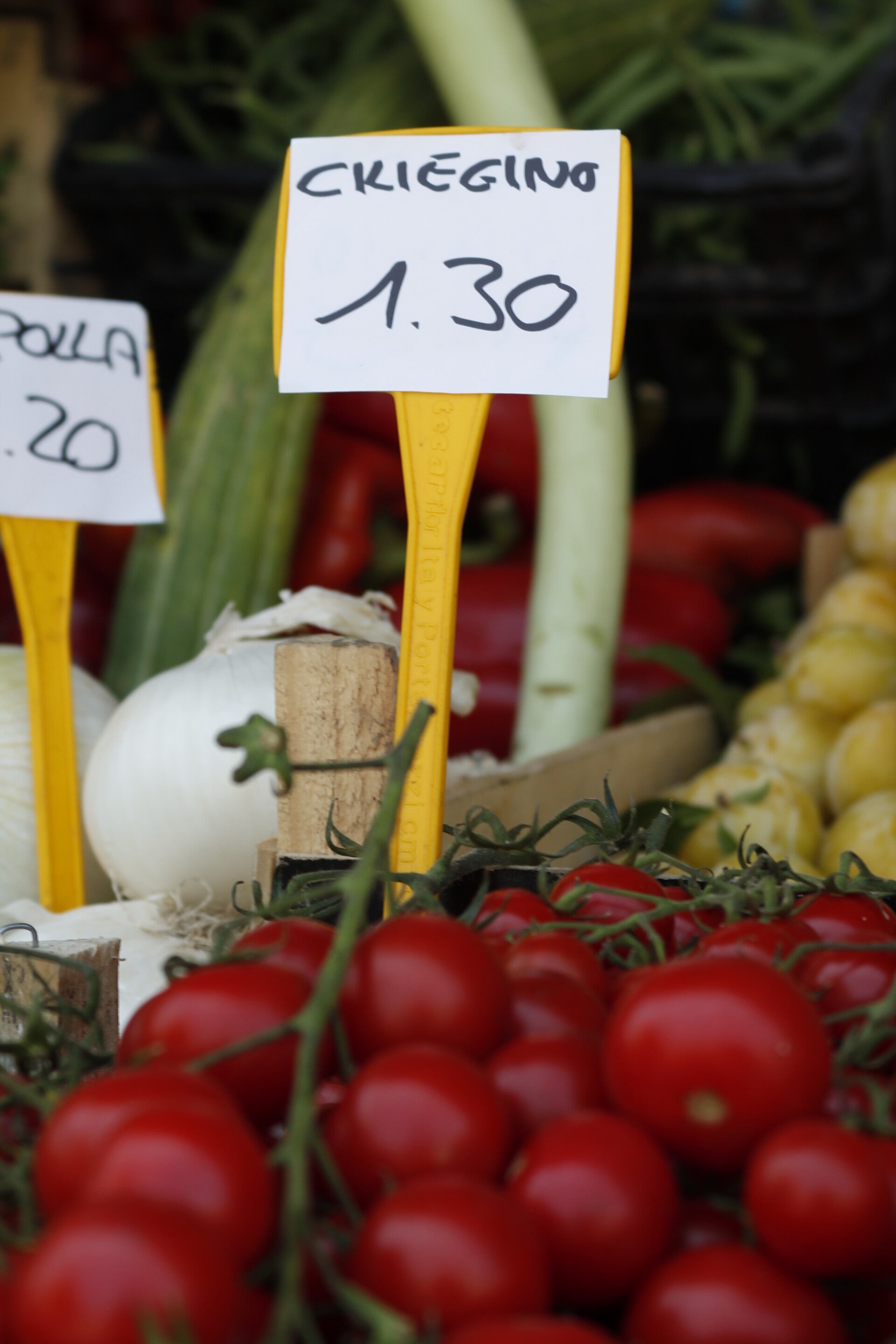
Virtual water in Tomato production in Italy : the Pachino cherry tomatoes in Sicily
Read my past research on virtual water in Sicily
Virtual water paradox or "bad virtual water" happens when you export massive amount of crops and these are irrigated from a water-scarce area or a vulnerable aquifer"
Source: Greco 2012, Hoekstra 2014
Invited Speaker in conferences and webinars : presentations
Discover this short collection of presentations that I gave in the last years
AG-WaMED PRIMA PROJECT
Advancing non conventional water management for innovative climate-resilient water governance in the Mediterranean Area
The project “Advancing non conventional water management for innovative climate-resilient water governance in the Mediterranean Area” (AG-WaMED) aims at providing innovative, evidence-based participatory management solutions to water scarcity governance that can be scaled at the Mediterranean level. In particular, the project will tackle the problem of water scarcity by including Non Conventional Waters (NCW) (wastewater, runoff water harvesting, desalination) among the available resources to be included in water governance policies.
AG-WaMED dissemination events:
AG-WaMED event for the 2024 World Water Day: Leveraging Non Conventional Water for Peace – video
JustWATER poster presentations from the workshop Hydropolitics in Italy, Europe and the Mediterranean

Virtual Water trade as a transboundary invisible river
Presentation at the HH6 HydroHegemony 6 workshop
"Francesca Greco opened Sunday morning by summarising Saturday’s discussions andhighlighting issues still in need of clarification. The morning’s first session consideredcounter-hegemonic action. Jeroen Warner provided a theoretical framework forquestioning the possibility and desirability of asecurity and ahegemony. Ana Cascao, CaraFlowers, and Francesca Greco presented theoretical and activist approaches tochallenging the status quo in the current world order. Particular attention was brought tothe need to consider scale: A “just” outcome for one level of actors (such as states) maynot be just at other outcomes (i.e., individuals). Discussion about virtual water and foodcontinued, as Francesca Greco asked participants “Do I have the right to eat otherpeople’s water?” In the follow-up discussion regarding counter-hegemonic activism"
PRESENTATION SUMMARY
Virtual Water, Hegemony and counter-hegemony in virtual water trade: justice for indigenous people?
by : Francesca Greco, King’s College London; UNESCO World Water Assessment Programme
"Virtual water is, perhaps, the most transboundary water there is, yet the classic hydrological cycle does not account for it".
A more realistic picture would show multiple cycles all interlinked, with water flowing between and around them.
Through “virtual rivers,” water has been “exported” to Europe.
Hegemony is highly present in virtual water: through virtual water, the rich “eat” the poor’s water.
Food trade results in the detachment of water’s value from its local context.
Hegemonic global processes of virtual water trade raises a number of questions:
• Does everyone have “equal access” to water being used for virtual water trade?
• Do local people have the same benefits and rights as foreign consumers to water?
• Who gives me the right to eat someone else’s water?
• How do we apply the “water allocation doctrine” in case of virtual water?Reisner pointed out that “Water flows uphill to money and power.” At present, water is flowing globally to where more dollars per drop are being produced. To understand and work against the injustices created by this system, the political economy of food trademust be fully analysed and water accountability in the private sector created.
Discussion: Themes and Lingering Questions:
• Justice can allow for local movements to speak on global stages
• Multi-scalar research needs more attention
Source: HH6: Transboundary Water Justice.Proceedings of the SixthInternational Workshop onHydro-Hegemony, Held at UEA London, 12-13 January 2013